01 / Stress the brief
Find the real constraint
We pull assumptions until they snap. The brief becomes a set of forces: body, use, cost, tolerance, and production reality.
→
Tensile is a product design and engineering studio. We start with rough behavior, pressure it through material, mechanism, and manufacturing, then keep only what survives.
Manifesto
We design objects that have to move, hold, seal, fold, vibrate, or carry human weight. That means form begins with friction: where a hand catches, where a hinge complains, where a material says no.
Then we build the disagreement. A soft material against a rigid housing. A cheap process against a premium feeling. A small mechanism against a large habit. Tensile turns those conflicts into products that feel inevitable.
Method
Our process is shaped like a stress test: define the load, probe the material, model the mechanism, and harden the path to production.
We pull assumptions until they snap. The brief becomes a set of forces: body, use, cost, tolerance, and production reality.
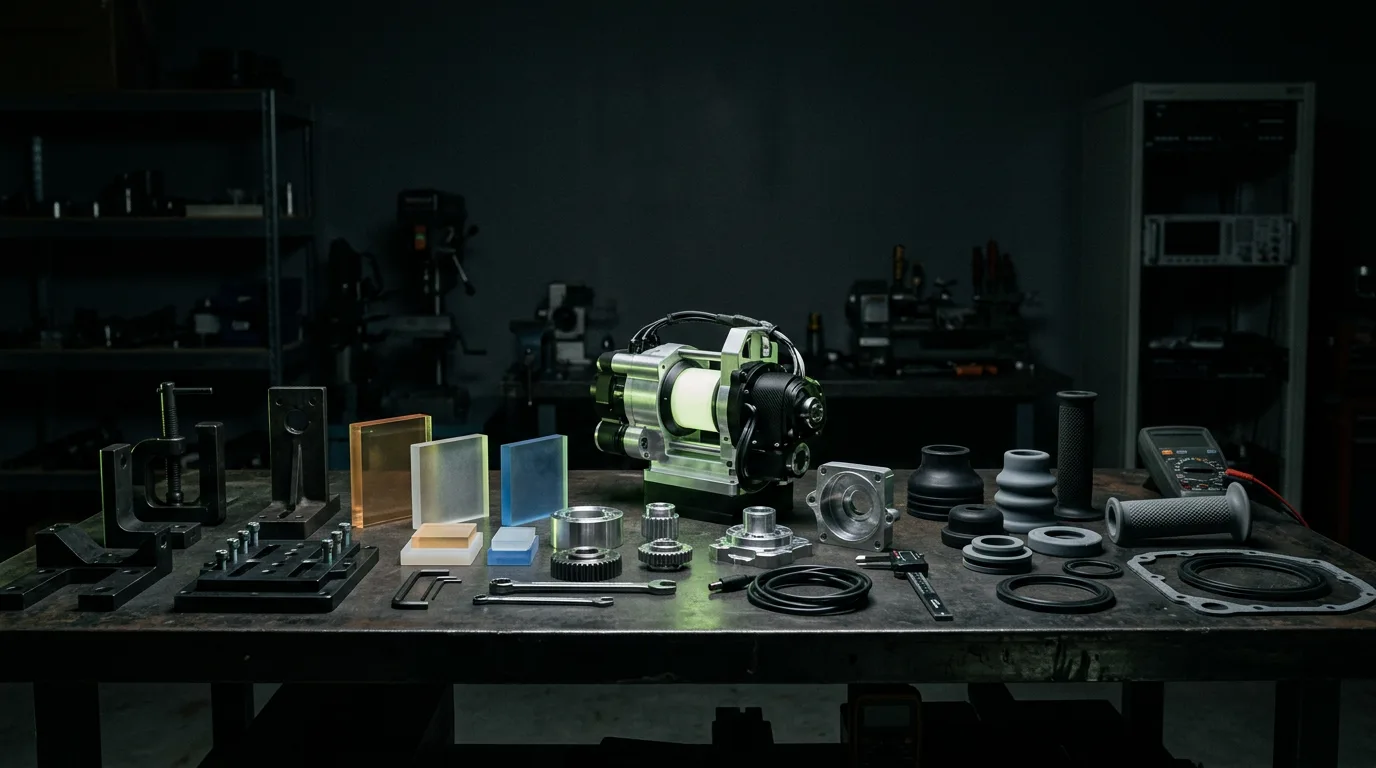
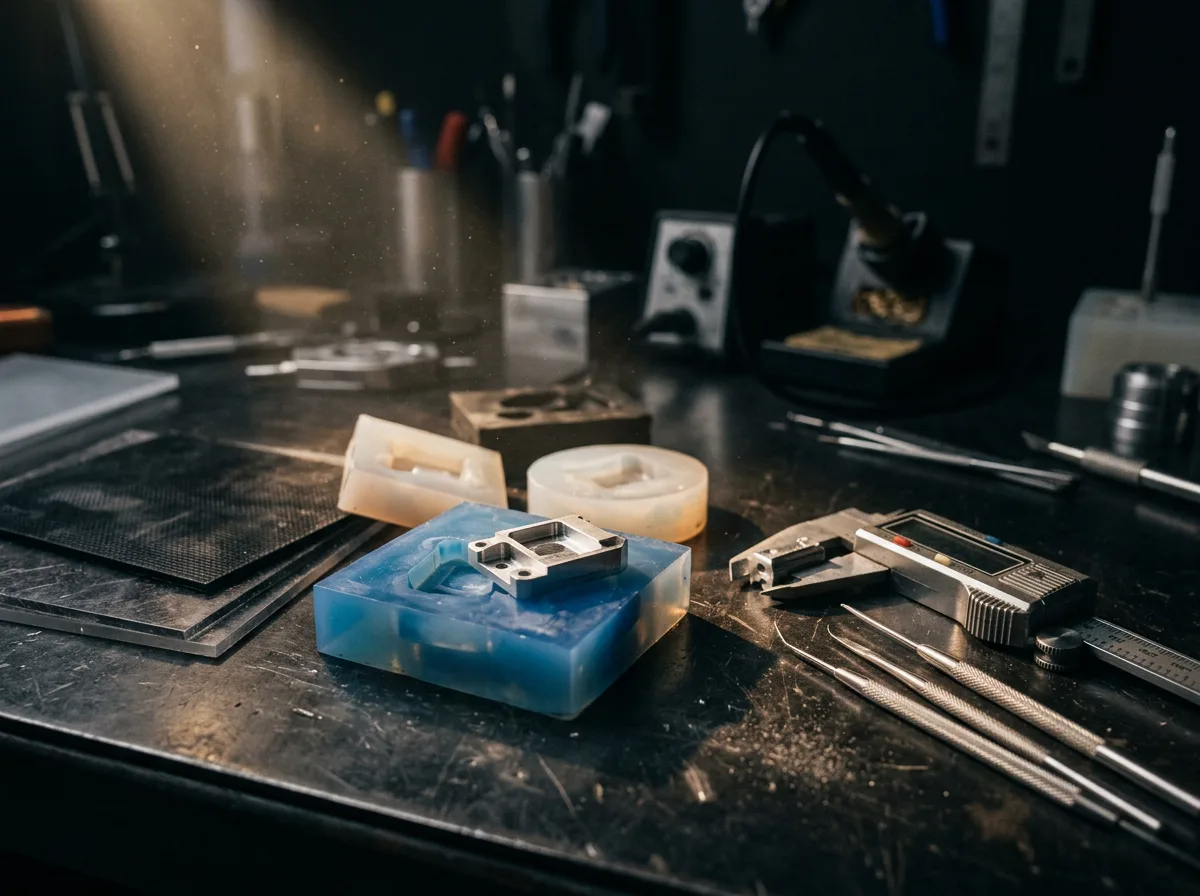
We build material probes early. Soft rubber, rigid polymer, machined metal, coated ceramic: each one rewrites the possible shape.
Hinges, latches, sliders, seals, and internal geometry are tested in rough form before beauty is allowed to move in.
We hand over a complete object language: tolerances, finishes, assembly notes, and enough test evidence to survive the first real production line.
Selected specimen work
Illustrative project examples for a fictional studio. The focus is not the name; it is the tension between use, material, and production.
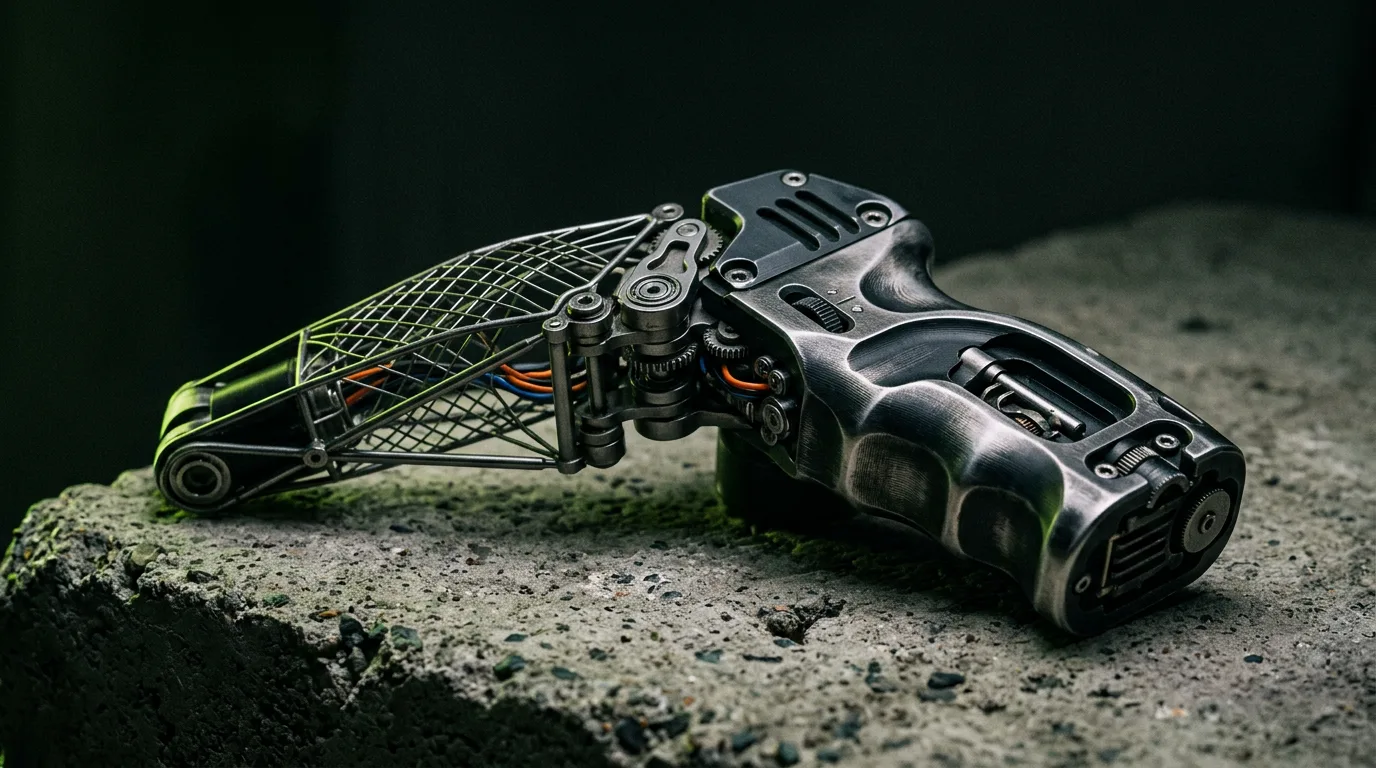
A small sealing mechanism for everyday bags, built around one hinge, one rubber compression path, and a click that feels like certainty.
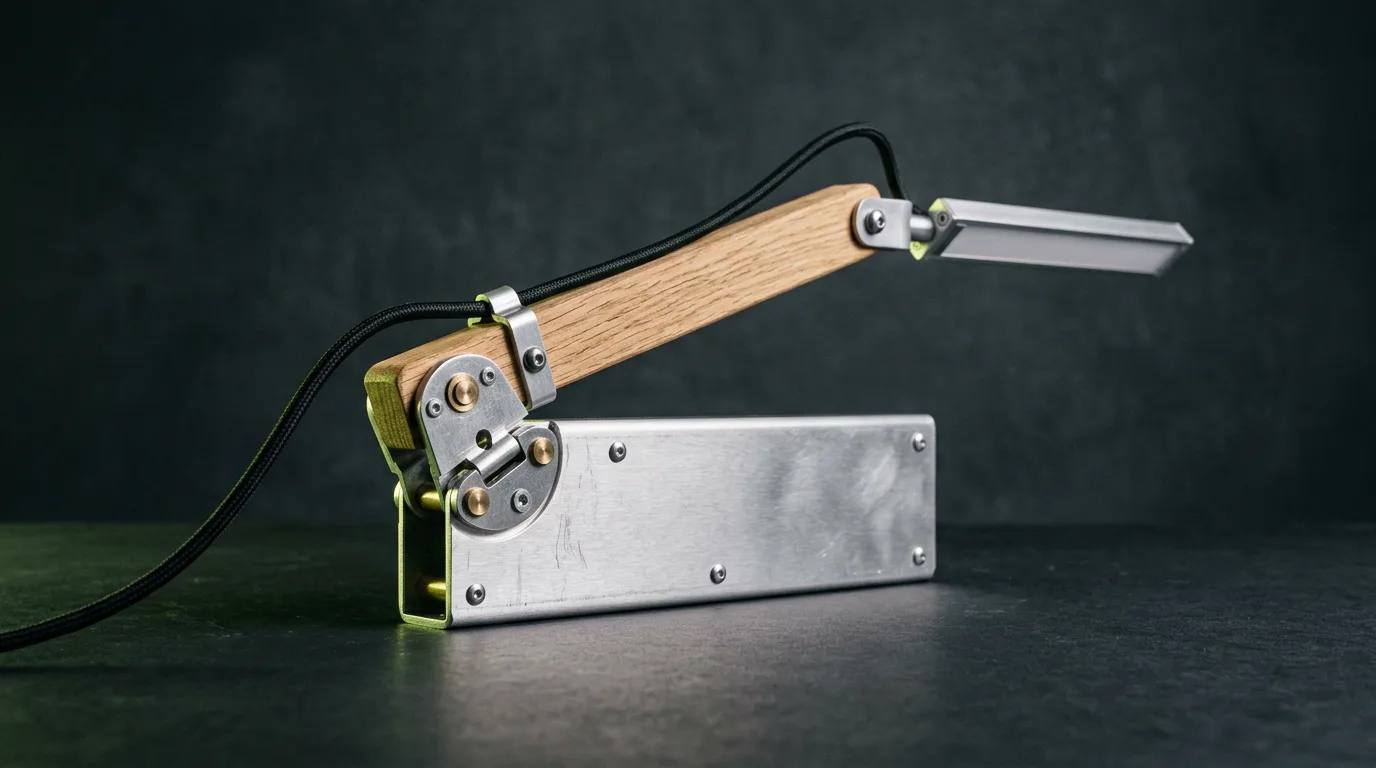
A lighting form made to be disassembled. Wood, aluminum, and cable are left legible, so the object can be repaired instead of replaced.
Material language
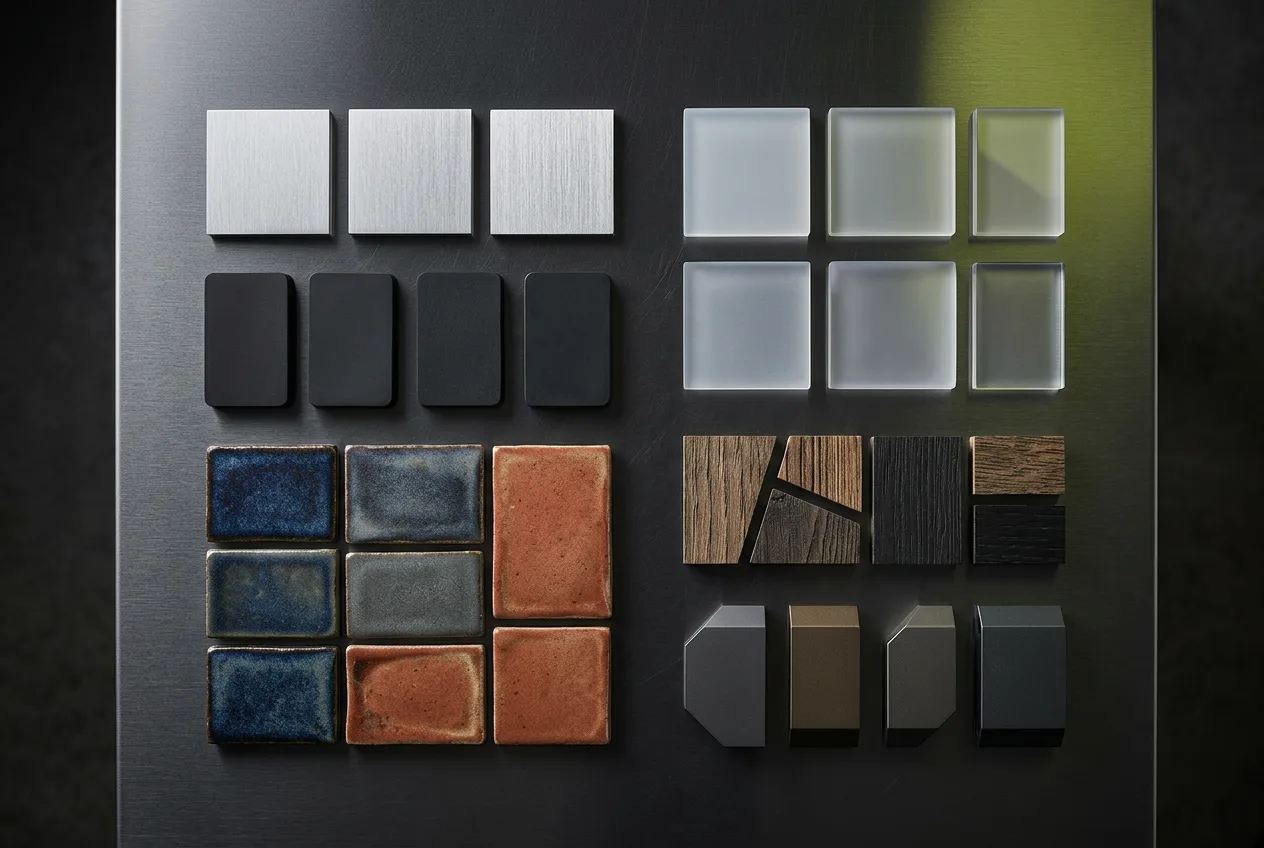
A product can be perfectly shaped and still fail because it feels dishonest. We choose materials by the behavior they invite: the edge that disappears in a hand, the surface that forgives fingerprints, the soft component that absorbs a mistake.
In early stages, material boards are not decoration. They are evidence. They answer the question every launch eventually asks: what happens when someone actually uses this on a bad Tuesday?
Open a test bench
hello@tensile.studioWe prototype in the open, test against use, and ship manufacturable objects. All portfolio examples are illustrative for a fictional studio.